Metabolic and Endocrine Disorders
The endocrine system is an intricate network of glands that produce and secrete hormones to control various body functions, from heartbeat and bone growth to fertility and even conception. A dysfunction of this vital system may make controlling these vital processes challenging.
Insulin, cortisol, somatostatin and parathyroid hormone are the four major hormones produced by the endocrine system and released into the bloodstream, where they act on cells and organs throughout the body to affect their functions.
Hormones play an essential role in supporting normal growth, metabolism and sexual function as well as controlling body temperature and maintaining an ideal balance of water, salts and minerals in the blood.
Your body has an inbuilt feedback system designed to tell your glands when and how much hormones to release at any given time, preventing an imbalance of hormones in response to physical stimuli or mental thought processes. Sometimes this feedback mechanism doesn’t function correctly and causes hormonal disruption; this could be caused by problems within a gland itself or due to issues within its connection to hypothalamic-pituitary axis – an intersection between brain and glands – axis.
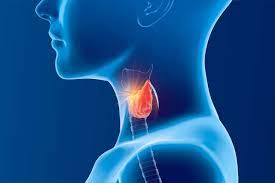
Thyroid disorders arise when the thyroid gland produces either too much or too little thyroid hormones, leading to either an increase in gland size (goiter) and potentially leading to hyperthyroidism, or an decrease in gland size (hypothyroidism).
Cushing’s disease is a hormonal disorder caused by an excess of hormones produced in the adrenal glands, leading to high blood pressure, low potassium levels in blood, hyperaldosteronism symptoms and other forms of hyperaldosteronism. Cushing’s can also result in weight gain and muscle weakness, so should always be managed carefully.
Osteoporosis is a hormonal condition that leads to bone loss. Over time, this causes bones to become weaker and may result in fractures; more women than men suffer from it and it usually begins late in life.
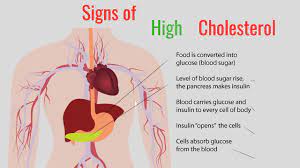
Diabetes is a metabolic condition caused by insufficient production or function of insulin by the pancreas. Diabetes may result in nerve and kidney damage as well as increased risks associated with cardiovascular diseases.
Metabolic syndrome refers to a cluster of conditions linked to increased risks for developing diabetes and other health issues, typically in overweight individuals who exhibit elevated blood sugar, blood pressure and cholesterol levels as well as abnormally elevated LDL cholesterol levels. It’s usually first noticed among individuals who are overweight with elevated blood sugar, blood pressure or abnormal LDL cholesterol levels.
If you suspect your body may not be functioning optimally, your physician may order a blood test to assess your metabolic status. This test could range from straightforward to more in-depth procedures.
Blood tests measure how many of your body’s chemicals are necessary for normal metabolism. Based on that measurement, your doctor will discuss your symptoms with you and recommend an appropriate course of treatment.
Some treatments include diet, medication or surgery. Your physician may refer you to a specialist, such as an endocrinologist or gastroenterologist.
The National Institute of Diabetes and Digestive and Kidney Diseases is a federal agency that coordinates research and information regarding endocrine diseases. They fund studies into them while also helping those affected obtain medical assistance when they require it. Furthermore, the Institute also offers support to scientists, clinicians, and nurses participating in endocrine disease research projects.